Why Landscape Maintenance Matters More Than You Think
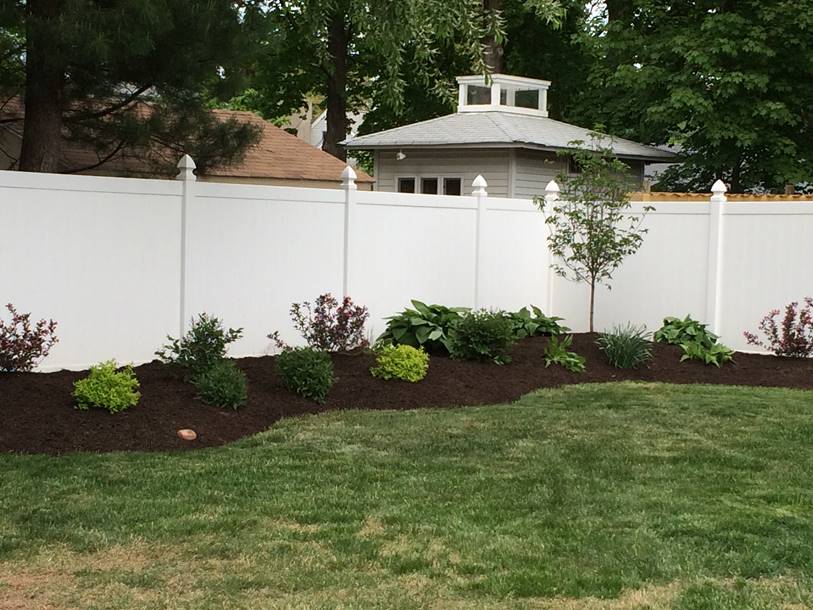

A well-kept landscape changes how a property feels before anyone steps through the door. It shapes first impressions, affects safety, influences long-term costs, and quietly reflects the standards of the people who live or work there. Most people notice landscaping when it is either beautiful or neglected. What often goes unnoticed is the steady, skilled work that keeps outdoor spaces healthy between those two extremes. That work is landscape maintenance, and it matters far more than many property owners realize.
The common misconception is that maintenance is mostly cosmetic. Grass gets cut, shrubs get trimmed, weeds get pulled, and everything looks tidy. That is part of it, certainly, but only part. Good landscape maintenance is preventive care. It is site management. It is horticultural judgment applied over time. When it is done properly, it protects investment, reduces avoidable repairs, supports plant health, and makes an outdoor space more useful year-round.
People tend to appreciate installation projects because they are visible and dramatic. New sod, fresh plantings, stone borders, a redesigned entry bed, these get attention. Maintenance is quieter. It does not have the same grand reveal. Yet in practice, maintenance determines whether any of those improvements still look and perform well two, three, or five years later. I have seen expensive landscapes decline in a single season because nobody adjusted irrigation, monitored pests, or pruned with any understanding of plant growth. I have also seen modest properties look consistently excellent because someone paid attention every week.
The difference between care and neglect shows up slowly, then all at once
Outdoor spaces rarely fail overnight. They slip. Turf thins along sunny edges. Mulch breaks down and exposes roots. Drainage issues start as a soggy corner after heavy rain and become dead lawn, mosquito habitat, and foundation concerns later. Shrubs that should have been selectively pruned get sheared into dense shells, then lose airflow and become more prone to fungal problems. Trees develop crossed limbs that go unnoticed until a storm turns a preventable issue into emergency cleanup.
This gradual decline is one reason landscape maintenance gets underestimated. Small problems are easy to postpone because they do not seem urgent. The trouble is that landscapes are living systems. Delay has consequences. Miss the right pruning window, and flowering drops for a season. Skip irrigation checks during a hot spell, and stress damage can linger long after the weather improves. Ignore weeds before they seed, and next month’s work becomes harder and more expensive.
On commercial properties, the effects are especially clear. A medical office, retail center, apartment complex, or corporate campus with declining grounds sends a message, whether intended or not. People read condition as a signal of management quality. If the parking lot islands are full of weeds, if entry plantings are half-dead, if tree limbs hang over sidewalks, visitors start making assumptions about everything else. The reverse is also true. Clean, healthy, well-maintained landscaping gives people confidence that the place is cared for.
Curb appeal is the obvious benefit, but not the only one
Curb appeal gets talked about constantly, and for good reason. A maintained landscape can add polish and warmth to a property in a way paint and hardscape alone cannot. Lawn edges look sharper. Beds appear intentional. Seasonal color softens architecture. Mature, healthy trees frame a building and reduce visual harshness.
But curb appeal is just the surface-level benefit. Beneath it are more practical advantages that often matter even more.
Property value is one. While it is risky to attach a universal number to landscaping returns because markets vary, few experienced real estate professionals would argue that neglected grounds help a sale. Buyers notice maintenance habits quickly. Brown patches, overgrown shrubs, exposed roots, cracked irrigation heads, and standing water suggest deferred upkeep. Even when structural elements of a home are sound, neglected landscaping can create an impression of hidden problems. That impression affects confidence and often affects price.
There is also the matter of usability. A landscape is not merely scenery. It is space people move through, gather in, and rely on. Families want lawns that can handle play. Office tenants want outdoor areas that feel inviting on a lunch break. Hospitality properties need grounds that photograph well and function safely. Regular maintenance supports that use. It keeps paths clear, plant material balanced, and site lines open. It allows a landscape to remain both attractive and practical.
Healthy landscapes do not happen by accident
Plants are resilient, but they are not self-managing. Every species has a range of tolerances for water, light, temperature, soil conditions, and competition. A maintenance crew or knowledgeable property owner is constantly making small decisions that influence how well those plants stay within that range.
Irrigation is a good example. Many people assume watering is simple, either on or off. In reality, overwatering is often as damaging as underwatering. Too much water can encourage shallow rooting, fungal pressure, nutrient leaching, and weak growth. Too little can stress turf, stunt shrubs, and reduce a plant’s resistance to pests. Proper landscape maintenance means checking coverage, adjusting schedules for seasonal change, identifying clogged or broken heads, and paying attention to how different zones actually perform. A shaded bed near the north side of a building should not be treated the same way as a full-sun slope near a driveway.
Pruning requires similar judgment. There is a substantial difference between pruning for health, pruning for structure, and pruning just to make something smaller. Done well, pruning improves air circulation, reduces hazard, supports flowering, and preserves the natural character of a plant. Done poorly, it can trigger excessive growth, create weak branch architecture, and permanently distort the shape. One of the more common mistakes I see is routine shearing of shrubs that were never meant to be boxy in the first place. It delivers a quick uniform look, but over time it often creates woody exteriors, bare interiors, and frequent replacement costs.
Soil care is another overlooked piece. Compacted soil limits root development and water penetration. Thin mulch exposes roots to heat stress and moisture loss. Thick mulch piled against trunks can contribute to rot and pest issues. Fertility, pH, organic matter, drainage, all of these influence plant performance. Good maintenance is not simply working above ground. It is paying attention to what roots need below the surface.
Maintenance saves money, although not always in the way people expect
Some property owners treat maintenance as a place to cut costs because the savings are immediate and visible on a budget sheet. The problem is that deferred maintenance rarely disappears. It usually returns as replacement cost, repair cost, liability exposure, or accelerated decline.
Consider turf care. If mowing height is set too low week after week, the lawn may look neat for a short time, but it becomes more vulnerable to heat stress, weeds, and disease. Then extra inputs are needed to recover it, overseeding, treatment, irrigation adjustment, and sometimes sod replacement in high-traffic areas. The cheaper choice on paper creates a more expensive site in practice.
The same pattern shows up with trees. Routine inspection and structural pruning cost money, but emergency removal after limb failure costs far more. Add potential roof damage, vehicle damage, or injury risk, and the difference becomes hard to ignore. The most expensive tree work is often the work that could have been prevented.
I have seen irrigation leaks run unnoticed for weeks in commercial beds because no one walked the property carefully enough to catch oversaturated soil and unexplained runoff. The water bill rose, nearby plants declined from poor oxygen at the root zone, and eventually hardscape shifted because the leak undermined the subbase. A broken fitting worth very little became a multi-trade repair.
This is one of the clearest arguments for consistent landscape maintenance. You are not only paying for labor performed today. You are paying for observation, early correction, and preservation of systems that are costly to rebuild.
Safety lives in the landscape too
When people hear the word safety, landscaping may not be their first thought. It should be higher on the list.
Overgrown shrubs at drive exits reduce visibility. Tree limbs hanging too low over sidewalks create strike hazards. Uneven paver edges hidden by groundcover can cause trips. Algae on shaded walkways becomes slippery after rain. Thorny plants placed too close to entries create avoidable contact points. Irrigation overspray onto pavement invites slips and stains. Poorly maintained landscapes can even support pest issues by creating harborage near structures.
Regular maintenance reduces these risks because someone is actively evaluating the site in real conditions. Not just whether it looks neat, but whether it functions safely. This is particularly important for properties with public traffic, older residents, or children. It also matters after storms, during seasonal transitions, and in high-growth months when a week or two can make a big difference.
A skilled maintenance program includes more than mowing and blowing debris. It includes seeing the property as a system of movement, visibility, access, and risk management. That mindset protects people as much as it protects plants.
Seasonal attention makes all the difference
One reason landscape maintenance works best as an ongoing practice rather than occasional cleanup is that landscapes do not behave the same way every month. Spring growth surges. Summer heat exposes irrigation weaknesses. Fall is often the best window for certain planting and root development tasks. Winter reveals structure, drainage patterns, and dormant pruning opportunities in many climates.
Owners who only react when something looks wrong often miss the seasons when the right action would have been easier and more effective. Weed control is a classic case. Pre-emergent timing matters. So does catching invasive spread early around fence lines, utility areas, and bed edges. By the time weeds dominate visually, the labor has multiplied.
Seasonal cleanup is also about plant health, not just appearance. Removing diseased plant debris can reduce reinfection pressure. Refreshing mulch before extreme heat helps conserve soil moisture. Cutting back ornamental grasses at the right time improves appearance without sacrificing winter interest. Adjusting fertilization to local climate and species needs prevents wasteful or harmful applications.
Properties that look effortlessly good through the year almost never get there by accident. They benefit from maintenance that adapts to the season instead of repeating the exact same routine indefinitely.
Landscape maintenance supports sustainability when it is done intelligently
There is a lazy version of maintenance that relies on excess, too much water, too much fertilizer, too much pruning, too many replacements. That approach is not efficient, and it is not sustainable. Smart maintenance looks different. It uses observation to reduce waste.
A healthy, well-mulched bed generally needs less water than exposed soil. Correct mowing height helps turf shade its own roots and conserve moisture. Proper plant selection, followed by attentive establishment care, reduces replacement rates. Monitoring irrigation systems for leaks and overspray saves water while improving plant performance. Thinning crowded shrubs can reduce disease pressure without defaulting to chemical treatments.
Sustainability in landscaping is not only about installing native plants or reducing lawn area, though those can be valid strategies. It is also about maintaining what is already there in a way that respects resources. Too many landscapes fail because they were installed with good intentions and then managed poorly. Sustainable outcomes depend on maintenance discipline.
There is also a human sustainability component that gets ignored. Outdoor spaces need to remain manageable for the people responsible for them. Overdesigned beds with fussy plant combinations may look appealing on a rendering but create constant labor demands. A practical maintenance plan balances beauty with realism. That balance tends to last longer than landscapes designed for a photo on day one.
The right maintenance style depends on the property
Not every property needs the same schedule, intensity, or aesthetic. A suburban home, a warehouse facility, a hotel, and a public park all require different standards. Even within residential work, priorities vary. Some owners want a formal look with crisp lines and seasonal rotation. Others want a softer, more natural landscape with less intervention but strong ecological value.
That variation matters because good landscape maintenance is not one-size-fits-all. The right plan considers plant palette, age of installation, local climate, irrigation method, traffic levels, budget, and ownership goals. A newly installed landscape needs close monitoring while roots establish. A mature landscape may need more selective renovation and canopy management. A drought-prone region demands very different watering practices than a humid one. A heavily used commercial entrance must be maintained more tightly than a back-of-lot buffer.
This is where experience matters. Anyone can make a property look neat for a day. It takes professional judgment to decide what to cut back, what to leave alone, when to intervene, and when patience is the better move. I have had clients ask for shrubs to be replaced when the real issue was irrigation timing. I have also seen crews continue to fertilize stressed turf when compaction and drainage were the actual problems. Maintenance is full of these judgment calls.
What owners should pay attention to
If you want to know whether your landscape is being maintained well, start by looking past surface tidiness. A property can be freshly mowed and still be poorly managed. The signs of good maintenance are more specific.
Look for healthy color and consistent growth, not forced growth. Notice whether edges are clean without scalp marks in the turf. Check if shrubs retain natural form instead of being hacked into uniform lumps. Watch for mulch depth that is even and sensible, rather than piled against trunks. After irrigation runs, see whether water is landing where it should. Walk paths and entries as a visitor would, and ask whether visibility, clearance, and cleanliness feel intentional.
One useful test is to look at the property after weather stress. How does it perform after heavy rain, a hot week, or a wind event? Strong maintenance shows up clearly under pressure. Drainage should move water away from key areas. Plantings should recover well. Hazards should be addressed quickly. That resilience is often a better measure than how things look on the easiest day of the month.
Another good question is whether the maintenance provider, or the person managing the work, makes recommendations based on what the site actually needs. Landscapes change. Trees mature. Sun exposure shifts as canopies expand. Beds become crowded. Irrigation components wear out. If the plan never evolves, the maintenance probably is not thoughtful enough.
The hidden value is peace of mind
Perhaps the least discussed benefit of consistent landscape maintenance is peace of mind. Owners do not have to worry as much about what they are missing. Managers are less likely to be surprised by complaints. Residents enjoy outdoor spaces instead of seeing them as another source of chores and deferred expense.
That confidence comes from knowing that someone is paying attention to the details that become expensive when ignored. It comes from having a property that presents well in ordinary weeks, https://pastelink.net/4fupm3y9 not only before special occasions. And it comes from understanding that outdoor environments, like buildings, perform best when cared for routinely rather than rescued periodically.
Landscape maintenance is easy to undervalue because its best outcomes often look natural, even inevitable. Healthy turf appears simple. Strong trees seem permanent. Balanced planting beds can feel effortless. Yet anyone who has worked with real properties knows how much quiet expertise sits behind that appearance. The most successful landscapes are rarely the ones with the biggest installation budget. More often, they are the ones that receive consistent, informed care over time.
That is why landscape maintenance matters more than people think. It is not background work. It is what protects the beauty, function, safety, and long-term value of the space you already have.
Majestic Mowing & Landscaping LLC
Phone number: +19733975532
FAQ About Landscape Maintenance
What is landscape maintenance?
Landscape maintenance is the ongoing care, cleaning, and upkeep of outdoor green spaces to keep them healthy, safe, and attractive.
Is $100 an hour too much for landscape work?
An hourly rate of $100 is not too much for specialized or professional landscape work, though it sits at the higher end of the standard pricing spectrum.
How much do landscapers charge for maintenance?
For professional landscaping maintenance, homeowners typically pay $100 to $410 per month for recurring services, or an hourly labor rate of $50 to $100 per hour per crew member.